Commercial framing problems rarely begin when a wall is standing. They begin when custom metal framing fabrication arrives with inconsistent dimensions, unclear identification, incomplete components, or tolerances that force crews to solve manufacturing issues in the field. On a commercial project, those issues can affect layout, labor sequencing, inspections, finishes, and the schedule that depends on all of them.
For builders, contractors, and construction managers, fabricated framing is not simply a material purchase. It is a controlled manufacturing input to the building process. The right fabrication partner helps turn approved design requirements into accurate, repeatable light-gauge and structural framing components that crews can install with confidence.
What Custom Metal Framing Fabrication Delivers
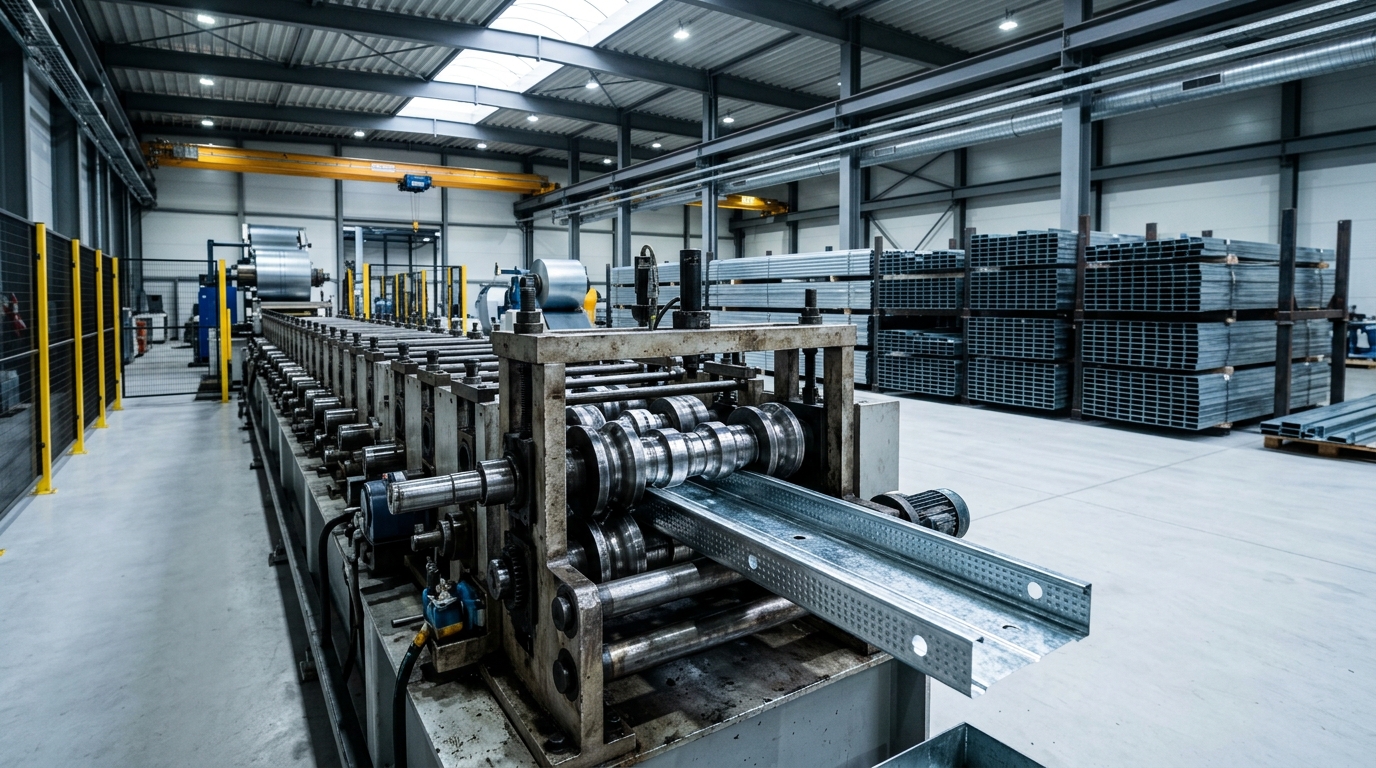
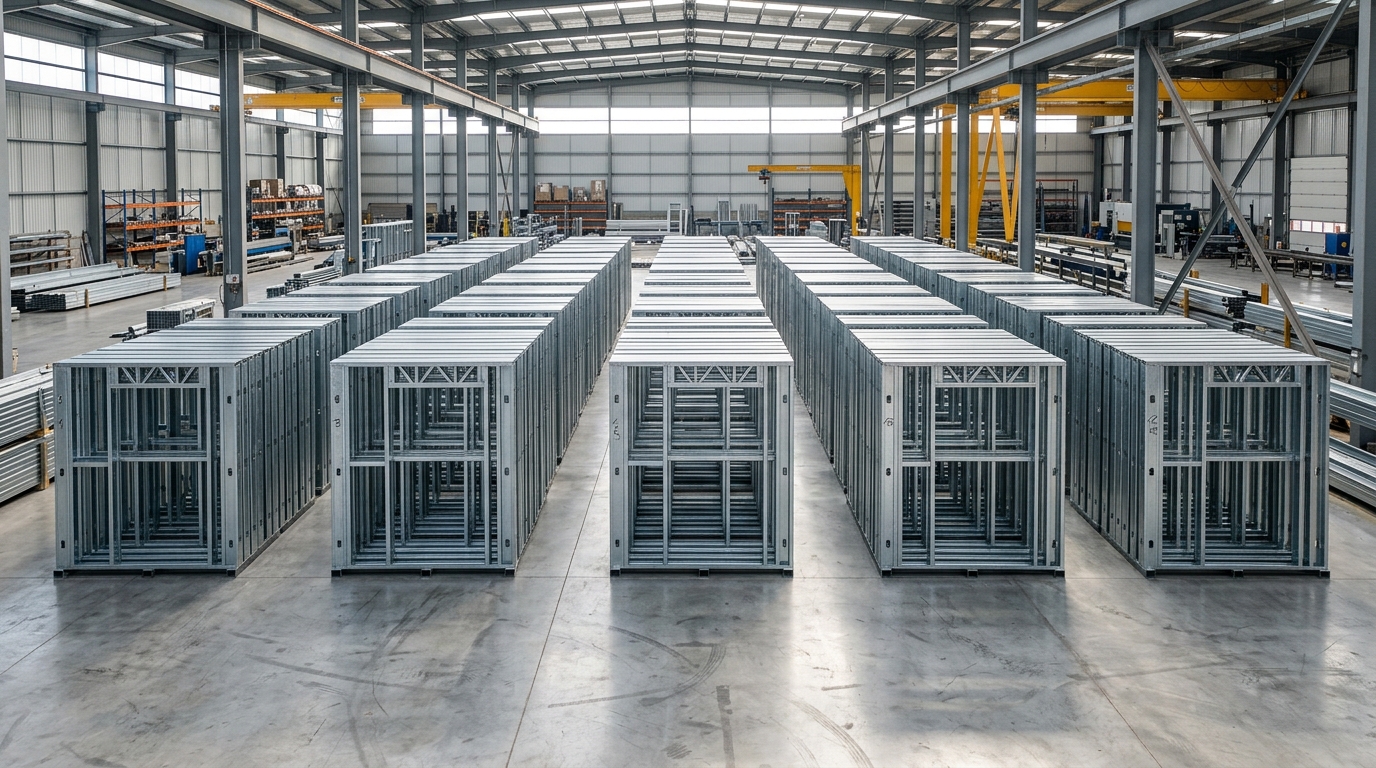
Custom metal framing fabrication is the process of producing framing components to project-specific dimensions, profiles, gauges, and specifications. Rather than asking the field to modify standard materials around unique openings, wall conditions, load paths, or coordination constraints, fabrication moves more of that work into a controlled manufacturing environment.
The value is practical. Components can be produced for the conditions shown in the project documents, identified for the intended location or assembly, and supplied in a form that supports organized installation. That reduces the dependence on field cutting and ad hoc adjustments, where variation is harder to control and labor time is harder to predict.
For commercial work, customization may apply to light-gauge interior framing, structural stud and track assemblies, headers, jambs, clips, backing, and other project-specific framing elements. The exact scope depends on the contract documents, engineering requirements, project sequence, and the responsibilities assigned to each trade.
Fabrication does not replace coordination. It makes good coordination more executable. If dimensions, elevations, openings, and design intent are resolved before production, the resulting components can support faster, more consistent work in the field.
Precision Matters Before Installation Begins
A fraction of an inch can become a larger issue when it is repeated across a corridor, facade line, shaft wall, or multi-story assembly. In commercial construction, framing accuracy affects more than the framing trade. It affects drywall, doors and frames, glazing, mechanical penetrations, firestopping, finishes, and inspection readiness.
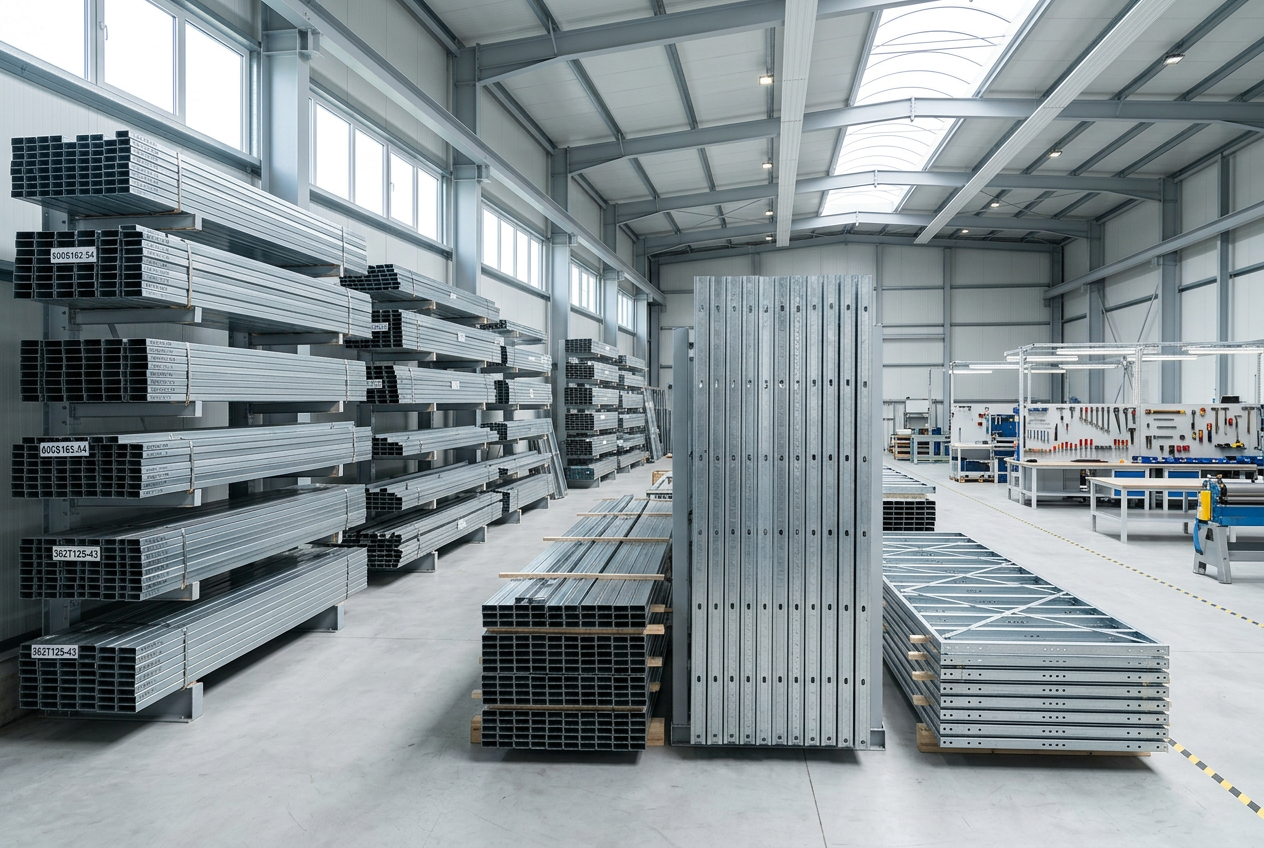
Precision-focused fabrication creates value in several connected ways. Consistent component dimensions help crews maintain layout. Accurate cuts and formed profiles reduce the need for field correction. Clearly organized material packages can improve staging and reduce time spent locating or sorting pieces. Together, those advantages protect labor productivity where it matters most: at installation.
Quality control is central to that result. A framing component must match the required material type, gauge, profile, length, and fabrication details for its intended use. An isolated error may be manageable. Repeated variation across a shipment can create significant rework, especially when crews are working against follow-on trades or a compressed turnover date.
This is why commercial buyers should evaluate fabrication quality as an operational issue, not only a material issue. The lowest initial material price can lose its advantage quickly if crews must recut members, resolve fit-up conflicts, reorder missing parts, or work around inconsistent products.
Light-Gauge and Structural Framing Require Different Discipline
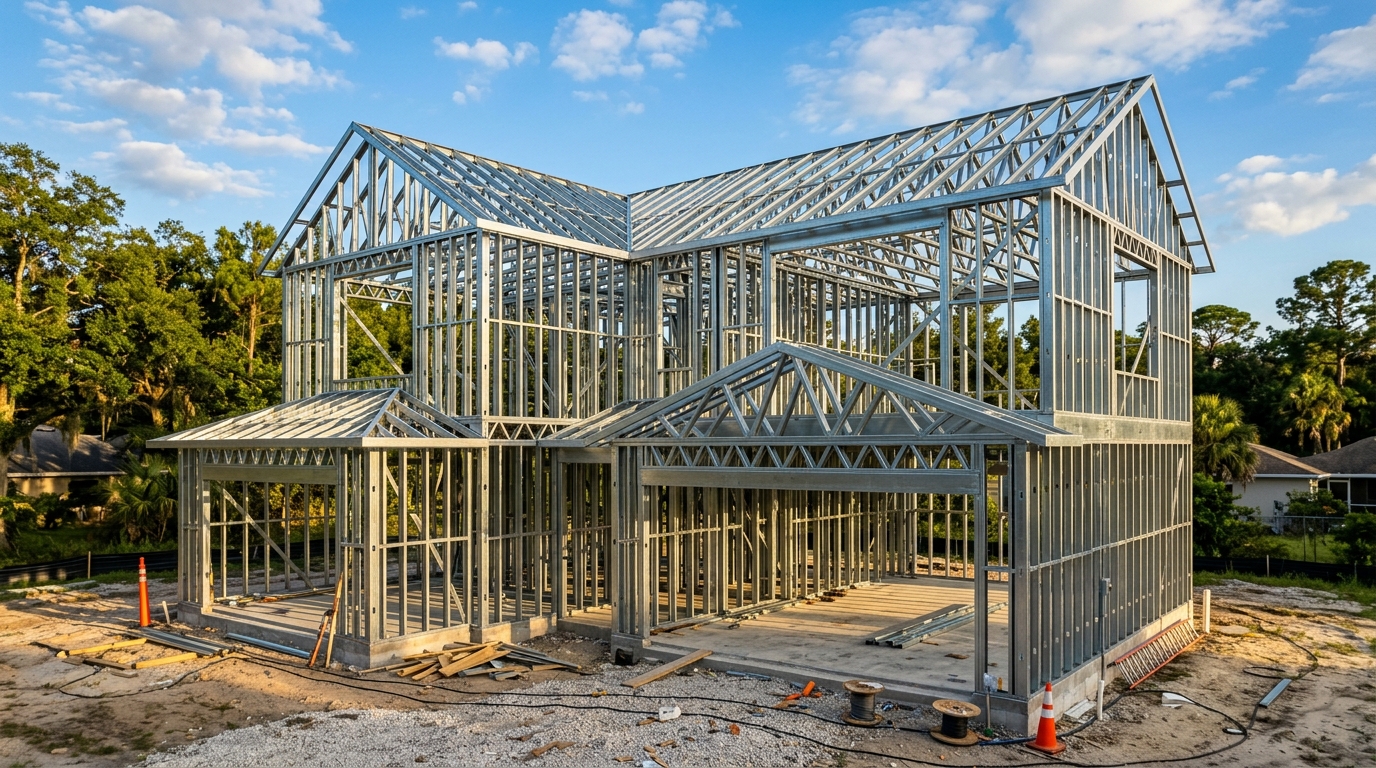
Light-gauge and structural framing systems may share similar materials and fabrication methods, but they do not carry the same design intent or project risk. Interior non-load-bearing partitions often prioritize layout flexibility, opening coordination, finish support, and efficient installation. Structural metal framing may involve specified load requirements, deflection limits, connections, bracing, and engineered details.
The fabrication partner must understand the distinction and manufacture to the applicable project requirements. Structural components should not be treated as interchangeable with standard partition framing, even when they appear similar at a glance. Gauge, flange dimensions, web dimensions, punch patterns, connection details, and member lengths can all affect performance and constructability.
The same discipline applies to substitutions. A practical alternative may be acceptable only when it has been reviewed and approved through the appropriate project process. Fabrication quality supports compliance with the documents; it does not authorize changes to engineered or specified conditions.
For commercial teams, the useful question is not simply, “Can this part be made?” It is, “Can this part be made accurately, consistently, and in alignment with the approved assembly?” That distinction protects both field execution and finished-building performance.
Where Fabrication Protects the Schedule
Schedule pressure is common on commercial projects, but speed without control creates downstream risk. The purpose of custom fabrication is not to rush material through production. It is to reduce avoidable work after material reaches the jobsite.
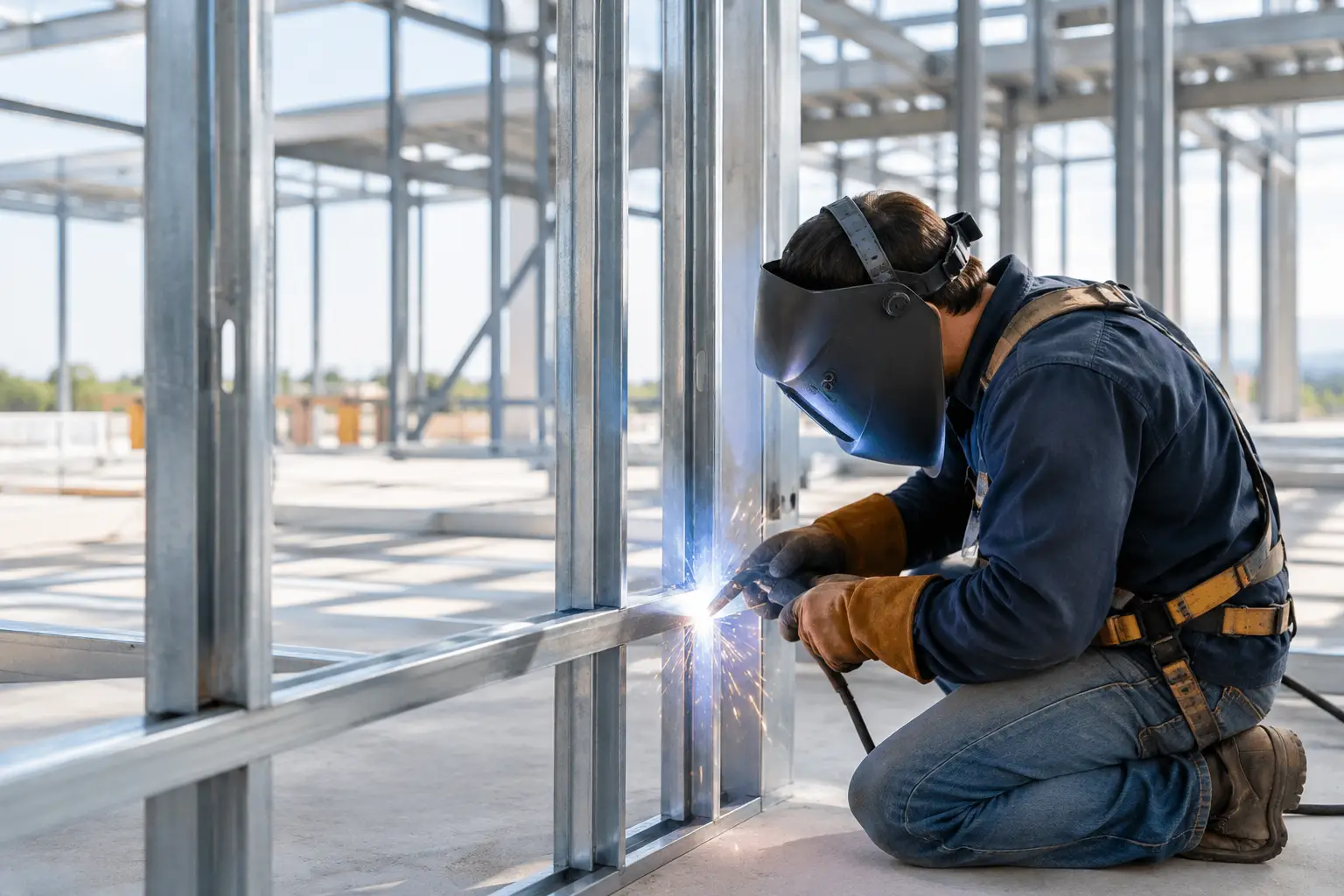
Pre-fabricated, project-aligned components can help installers spend more time assembling and less time measuring, cutting, correcting, and managing scrap. This can be especially valuable on repetitive floor plans, large tenant build-outs, healthcare facilities, hospitality projects, educational buildings, and other work where consistent framing conditions repeat across the project.
The benefit depends on early and accurate information. Late design changes, unresolved field dimensions, incomplete submittal decisions, and shifting opening schedules can all reduce the advantage of fabrication. A dependable supplier will communicate what information is needed before production and identify questions that could affect fit, quantity, or delivery sequence.
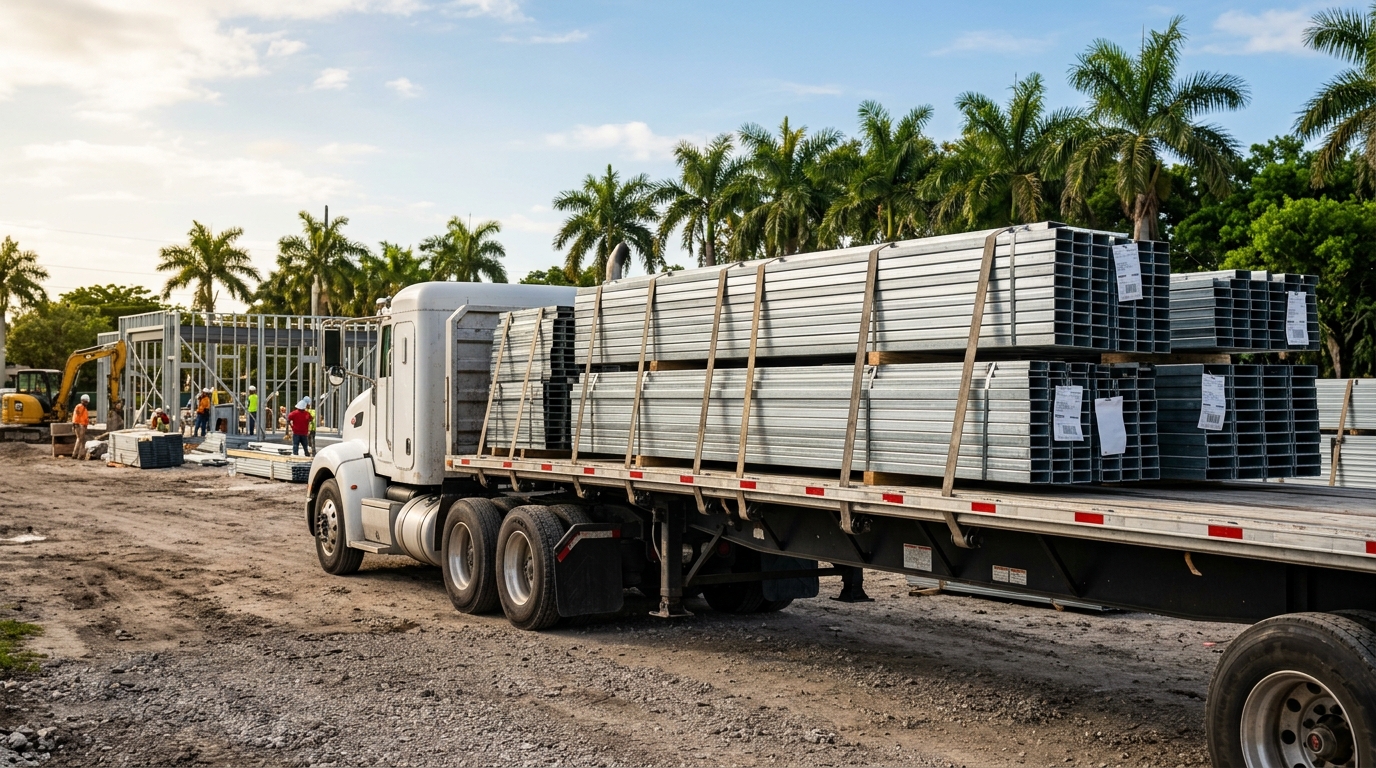
Procurement timing also matters. Ordering fabricated material only after a framing start date is fixed may leave too little time for document review, production, quality checks, transportation, and jobsite staging. Contractors get better results when fabrication is incorporated into the material plan early enough to support a controlled release.
Choosing a Fabrication Partner for Commercial Work
Commercial framing buyers should look beyond whether a supplier can form steel. The more important issue is whether that supplier operates with the manufacturing discipline required for specification-driven construction.
A capable partner should be able to work from clear project requirements, maintain repeatable production standards, and communicate directly about details that affect the delivered product. That includes material identification, dimensional accuracy, component completeness, and delivery coordination appropriate to the project.
It also helps to evaluate the supplier's approach to quality control. Ask how materials are checked before release, how production discrepancies are handled, and how the supplier confirms that fabricated components align with the approved order. The answers should be specific. General assurances are less useful than a defined process.
For projects in Central Florida and beyond, VRD Metal Framing approaches fabrication as a precision manufacturing responsibility. The objective is to provide quality-controlled light-gauge and structural framing systems that support commercial installation, not generic materials that transfer uncertainty to the field.
Information That Improves Fabrication Accuracy
The fabrication process is only as reliable as the information behind it. Clear, current documents reduce assumptions and help the manufacturer produce components suited to the intended application.
The most useful package typically identifies the relevant plans, wall types, framing details, elevations, opening conditions, material specifications, gauges, member profiles, quantities, and any project-specific connection or labeling requirements. When structural assemblies are involved, approved engineering and required design criteria must be available before production proceeds.
Field verification remains necessary where existing conditions, renovation work, or interface points may differ from the drawings. Fabricated material can improve efficiency, but it should not be used as a substitute for validating conditions that the documents cannot fully establish.
Communication between the general contractor, framing contractor, design team, and fabrication supplier is equally important. When a revised opening schedule or wall detail changes the framing requirement, that change needs to move through the project process before affected material is released. Clear ownership of that step prevents outdated information from becoming installed work.
Fabrication Is a Field-Performance Decision
The best fabricated framing package does not call attention to itself. It arrives organized, matches the approved requirements, installs without unnecessary correction, and allows the project team to move to the next activity with fewer interruptions.
That outcome is built before delivery through disciplined review, accurate manufacturing, and quality-controlled release. When custom metal framing fabrication is treated as part of the construction plan rather than a commodity transaction, it becomes a practical way to protect installation efficiency, material consistency, and the schedule every commercial project depends on.