Every June, Florida builders face the same question: how will this structure handle a major storm? Here's how steel framing answers it.
The Storm Equation
Florida's hurricane season runs June through November, and every structure in the state has to be engineered with wind loads in mind. Framing material choice matters: the frame is the skeleton that transfers those wind forces safely down to the foundation.
Steel's high strength-to-weight ratio gives engineers real margin to work with when designing for uplift and lateral loads — and because cold-formed members are manufactured to exact specifications, the structure that gets built matches the structure that was engineered.
What Happens After the Storm Matters Too
Storms in Florida bring water — driving rain, flooding, and weeks of soaked humidity afterward. Wood framing that gets wet can swell, warp, and grow mold. Steel doesn't absorb water, doesn't rot, and gives mold nothing to feed on. Galvanized coatings protect against corrosion through years of post-storm humidity.
Steel is also non-combustible, which matters when storms bring down power lines and fires follow floods. A steel frame never contributes fuel.
Built Right Starts with Fabricated Right
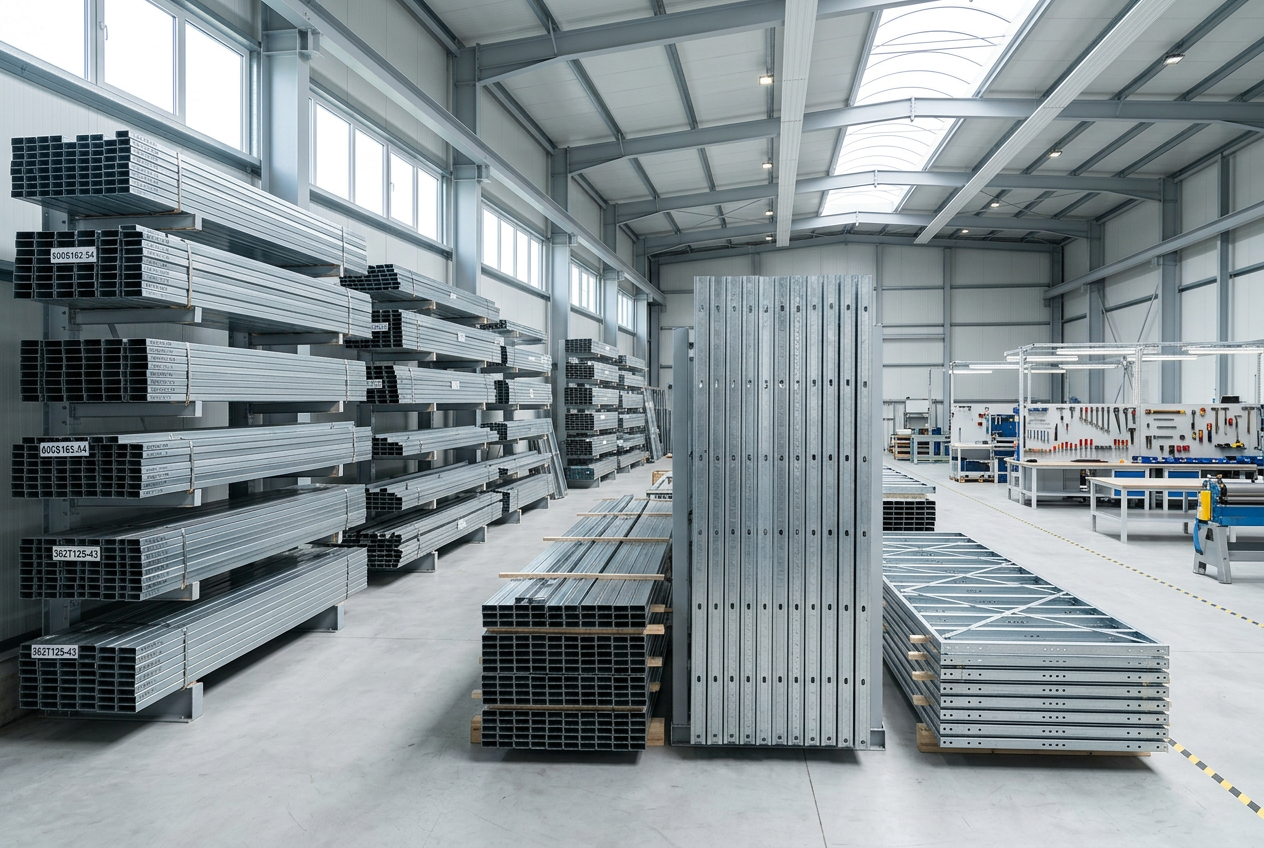
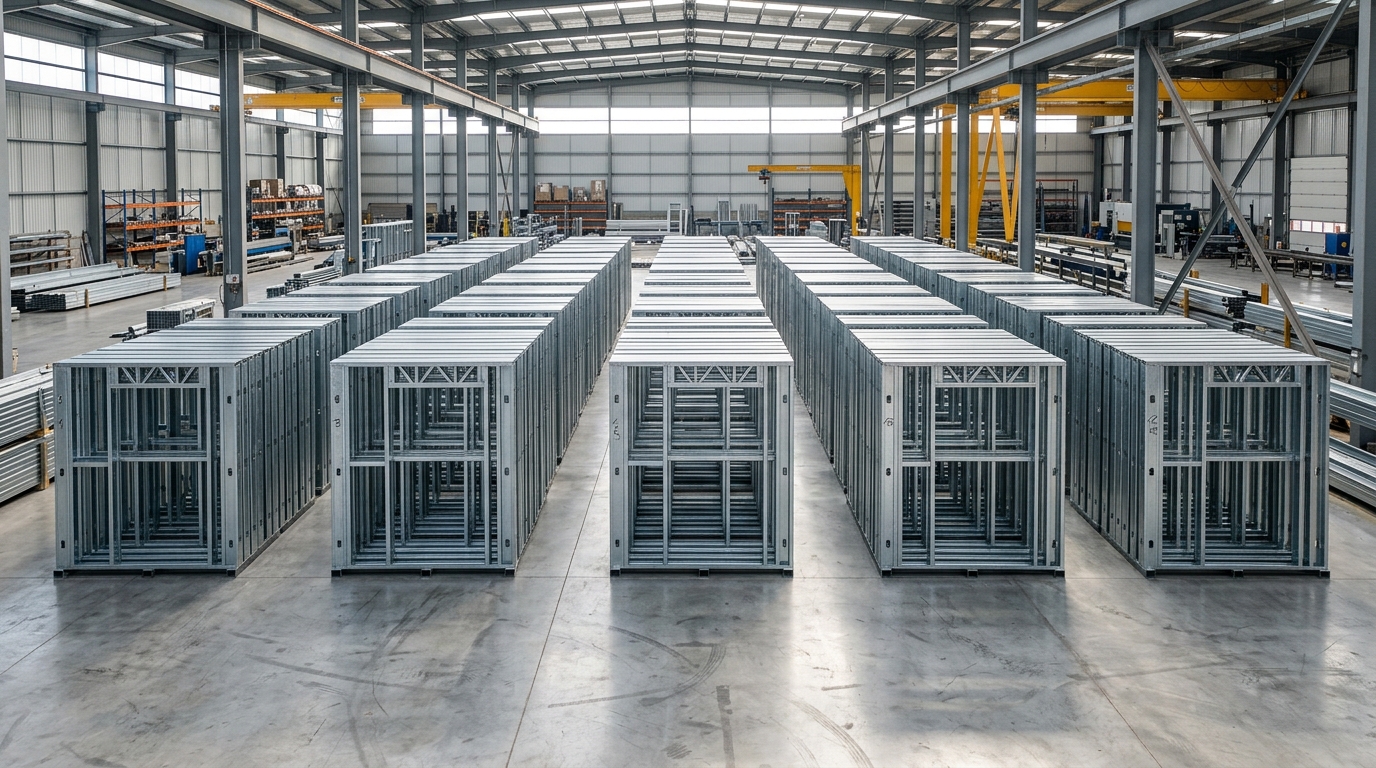
Storm performance ultimately comes down to engineering, connections, and execution — which is why fabrication quality matters so much. Every assembly we produce is verified against the specified gauge, steel grade, and coating class before it leaves our facility.
Planning a project ahead of storm season? Talk to us early — prefabricated steel framing can also compress your schedule, getting you dried-in faster.