The material price is only one line of a much bigger equation. Here's how to think about the real cost of steel framing versus wood — line by line.
Material Price: Closer Than You'd Expect
Pound for pound on the material invoice, light-gauge steel is competitive with framing lumber — and its price is notably more stable. Lumber markets are famous for sudden swings that wreck budgets mid-project; steel pricing moves on a much calmer curve, which makes estimating far more reliable.
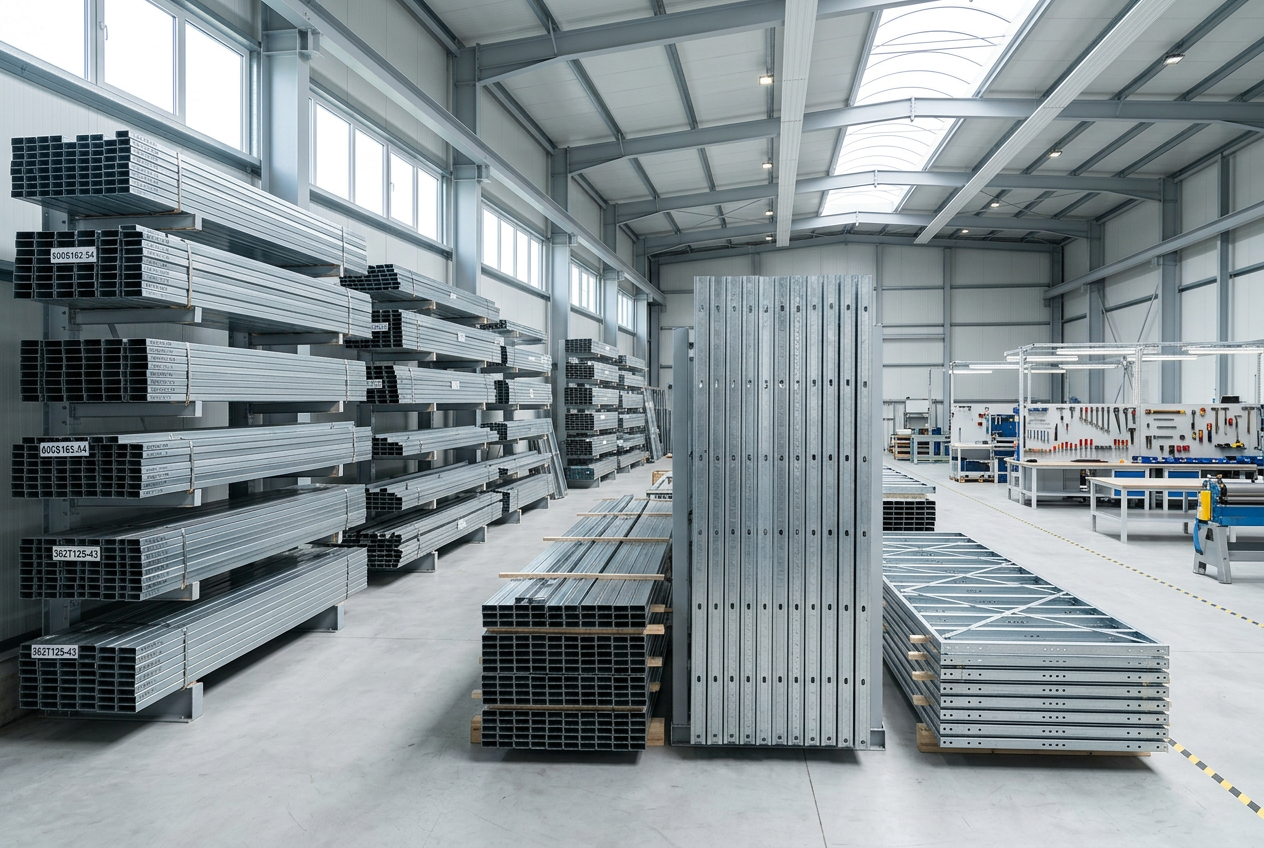
Because members are roll-formed to exact lengths from your drawings, you also buy what the building needs — not a pile of sticks that gets cut down, culled for crowns and twists, and partly thrown away.
Where the Real Savings Live
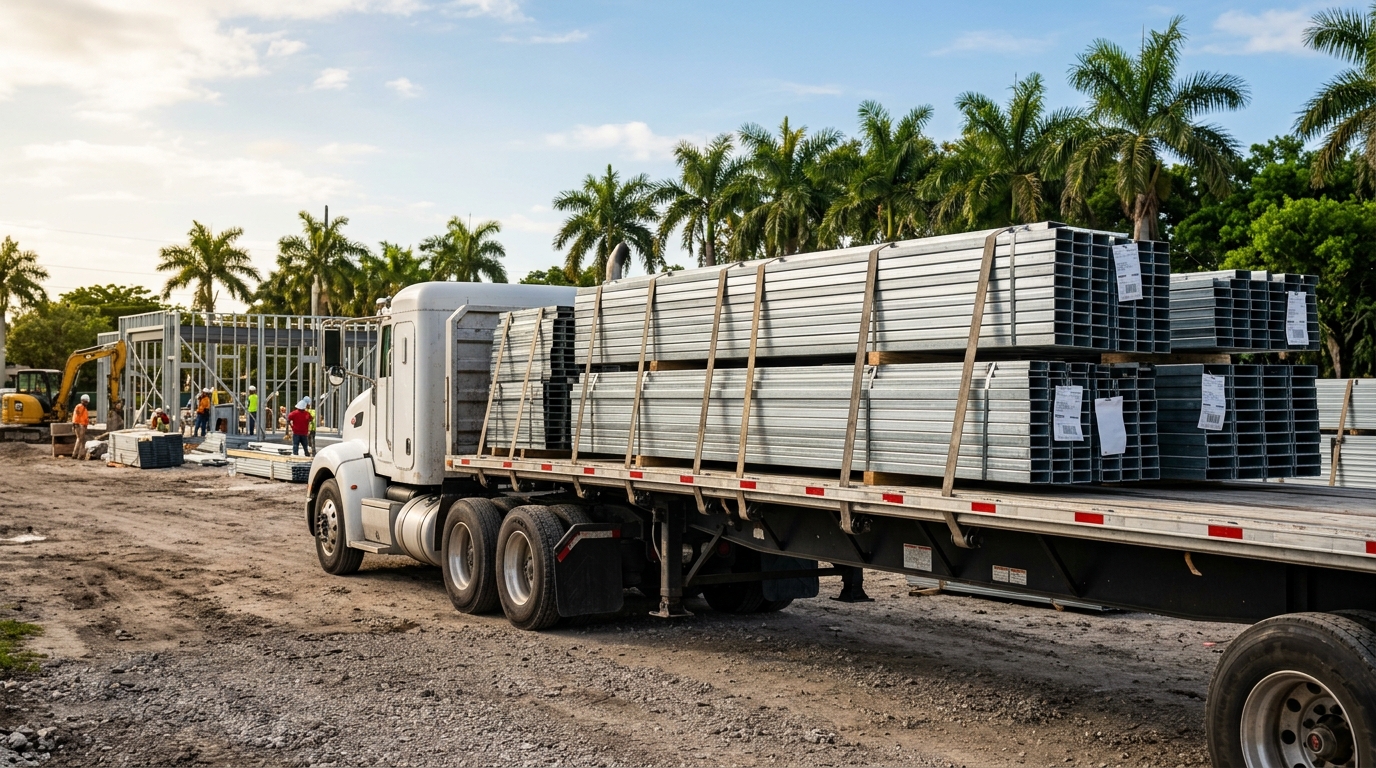
The framing line item is never just material. Labor is usually the larger half, and prefabricated steel cuts into it directly: panels and trusses arrive ready to set, so crews assemble instead of measure-and-cut. Less waste on the lot means lower disposal costs. A faster dry-in means every following trade starts sooner.
Then there's the long game: no termite treatments on the frame, no rot repairs, no warped-stud callbacks, and insurance conversations that tend to go better with a non-combustible structure. Over the life of a building, those lines add up to real money.
The Only Honest Answer: Price Your Project
Anyone who quotes you a universal steel-versus-wood percentage is guessing. The right comparison is always project-specific — span requirements, panelization opportunities, schedule pressure, and local labor all move the needle.
That's exactly why we offer a 48-hour quote turnaround: send us your drawings or scope, and you'll get real numbers for your project instead of rules of thumb from the internet.