A framing package can look correct on paper and still create costly field problems when stud dimensions vary, punch patterns are inconsistent, or components arrive without the accuracy required for the design. Cold formed steel framing is most valuable when it is treated as an engineered system rather than a commodity material. For commercial builders, that distinction affects layout, labor productivity, inspection outcomes, and the ability to keep follow-on trades moving.
Cold-formed steel is formed at room temperature from sheet steel rather than shaped while heated. The process produces light-gauge components with repeatable profiles, including studs, track, joists, headers, and related framing members. When fabrication, engineering requirements, and quality control are aligned, the result is a framing system that supports predictable commercial construction execution.
Where Cold Formed Steel Framing Fits
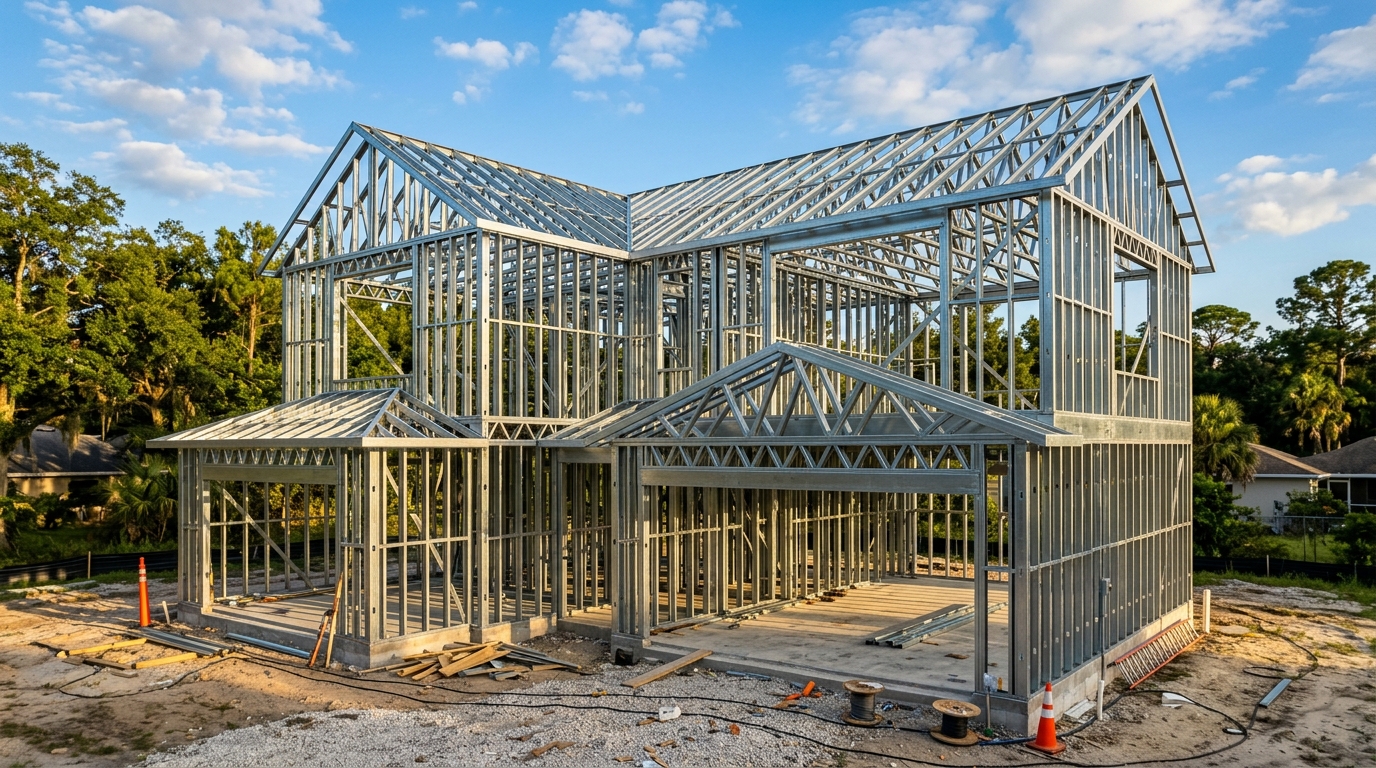
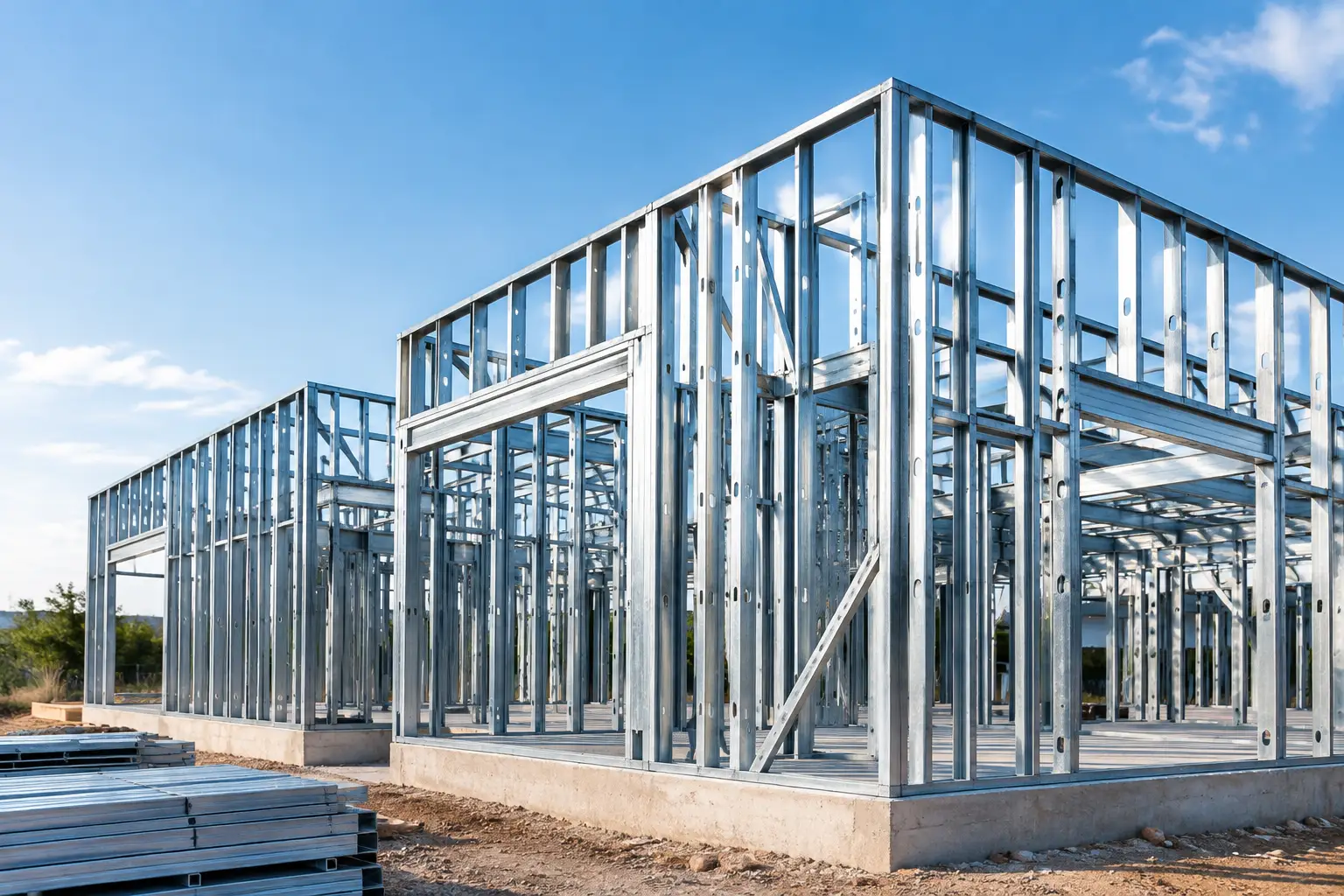
Cold formed steel framing serves several roles in commercial construction, but the application determines the member design, connection requirements, coating, and installation approach. Nonstructural interior partitions may use light-gauge studs and track to create fast, straight wall layouts. Structural cold-formed steel systems can carry gravity loads, resist lateral forces, support exterior wall assemblies, and frame floor or roof conditions when designed for those demands.
These categories should not be treated as interchangeable. A partition stud is not automatically suitable for structural loading, and a structural stud is only one part of a compliant wall system. The approved design must account for loading, span, deflection limits, fastening, bracing, openings, sheathing, and the interface with the primary structure.
For commercial teams, the practical advantage is control. Steel members can be fabricated to specified dimensions and supplied with consistent profiles, reducing the field adjustment often associated with variable material. That consistency is especially useful on projects with repetitive room layouts, long corridor runs, soffits, multi-unit plans, and exterior framing with demanding coordination requirements.
Precision Starts Before Material Reaches the Site
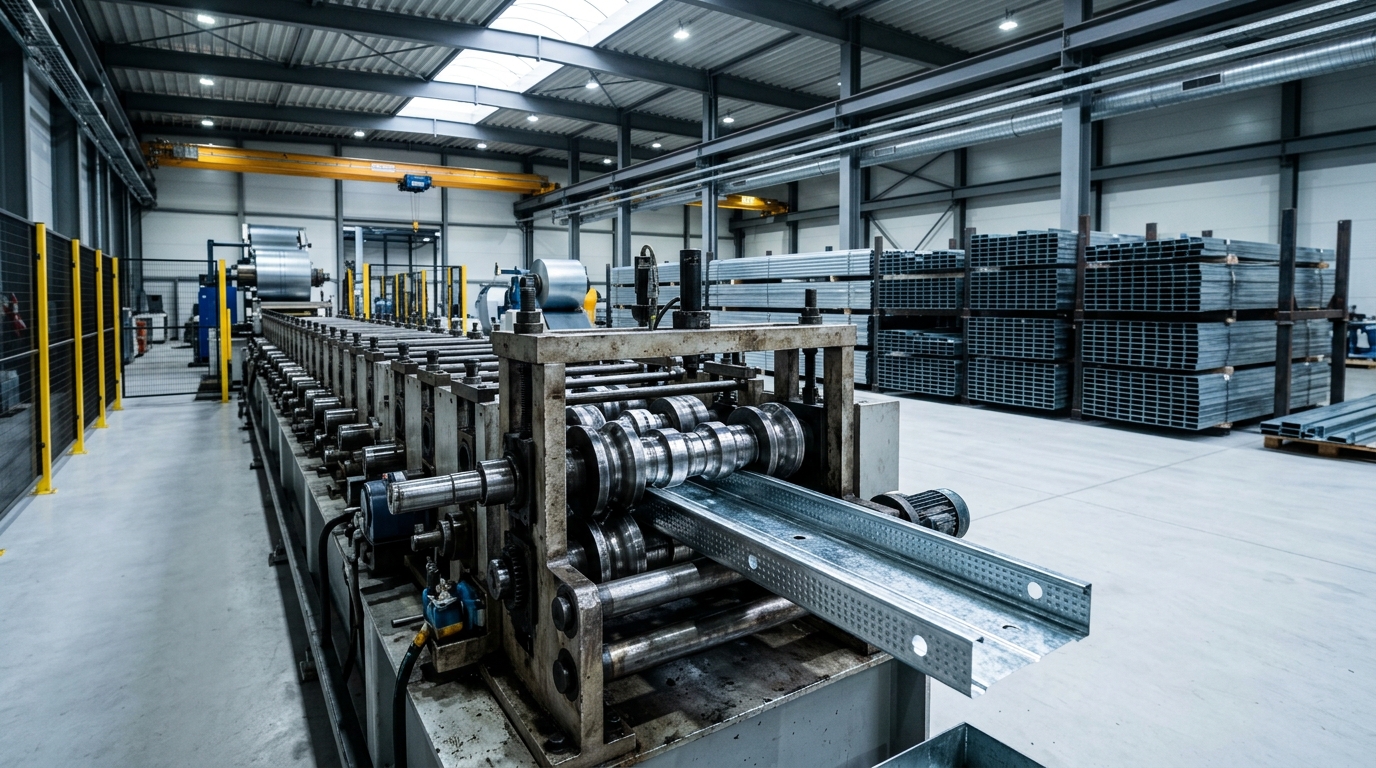
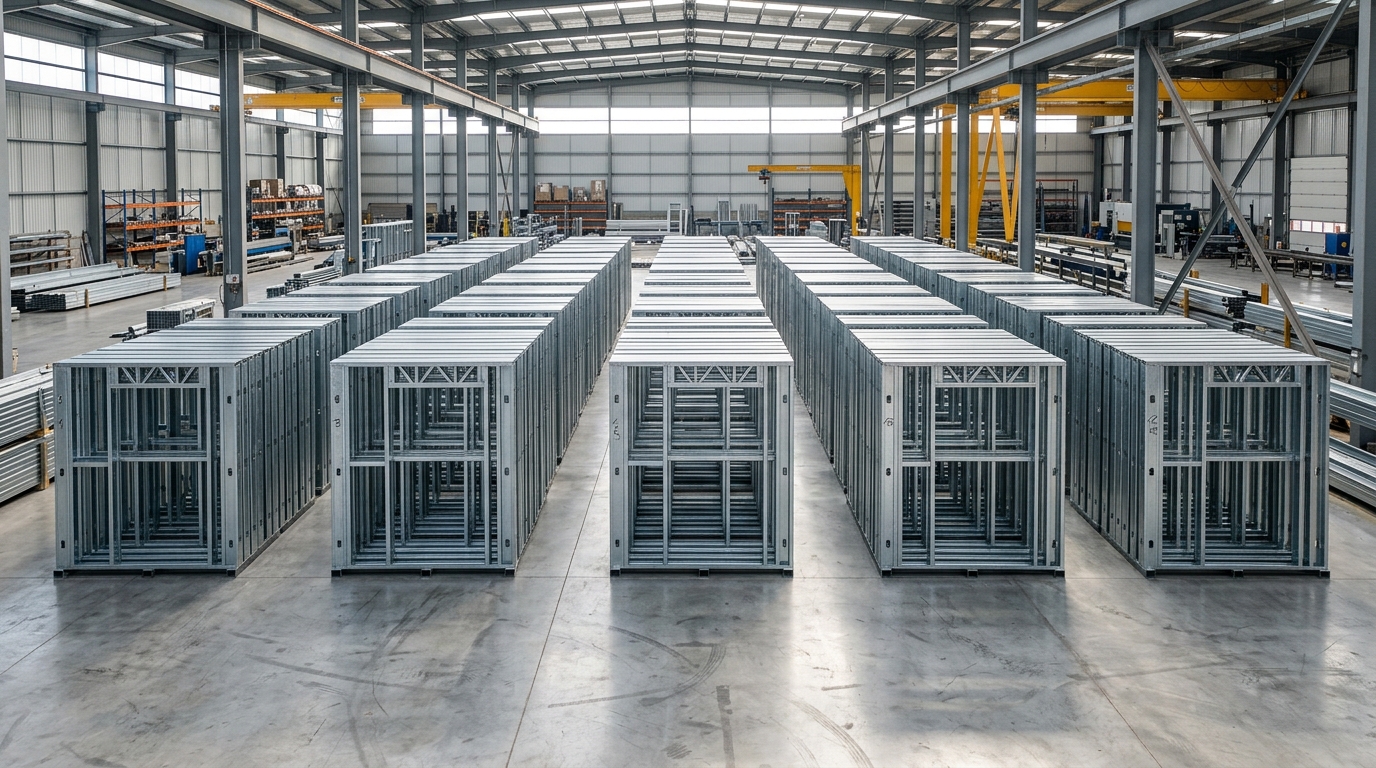
A framing system performs best when accuracy is established before installation begins. The manufacturer’s role is not limited to producing a steel shape. It includes maintaining dimensional consistency, confirming material specifications, controlling fabrication processes, and supplying components that align with the project’s approved requirements.
Stud length, flange width, web depth, thickness, and punch locations all matter. Small variations can compound across a floor plate, create misalignment at openings, complicate MEP rough-in, or affect the fit of wallboard and exterior assemblies. Precision-focused fabrication helps reduce those variables before they become field labor.
Quality control also supports procurement confidence. Commercial buyers need more than material availability. They need confidence that delivered components match the specified system and can be installed without sorting through inconsistent pieces, replacing damaged members, or improvising around preventable fabrication issues.
VRD Metal Framing approaches this work with the discipline commercial framing requires: precision-built metal components, controlled manufacturing processes, and a focus on dependable project execution.
Structural Performance Depends on the Whole Assembly
Cold-formed steel is strong relative to its weight, but performance is not determined by steel alone. The engineer’s design establishes member size and thickness, spacing, span, connection details, bridging or blocking requirements, and design loads. Fabrication quality helps ensure those details can be executed as intended.
A properly specified structural framing system may offer meaningful advantages in commercial work. Steel is dimensionally stable, noncombustible, and not subject to rot or termite damage. It can support clean wall planes and accommodate prefabricated or panelized approaches where project conditions allow.
Still, the trade-offs deserve attention. Light-gauge steel can require careful handling to avoid damage or distortion. Structural members must be protected from corrosion based on exposure conditions and the selected coating system. Exterior steel framing also requires thoughtful thermal and moisture detailing, since thermal bridging and water management are assembly-level concerns. A strong framing package cannot compensate for incomplete envelope design.
Deflection is another frequent coordination issue. A wall can remain structurally safe while movement still damages finishes, creates sealant failures, or affects glazing and door performance. This is why deflection criteria, slip-track conditions, and connection details must be coordinated early among the structural engineer, architect, framing contractor, and other affected trades.
Installation Efficiency Is a Fabrication Issue
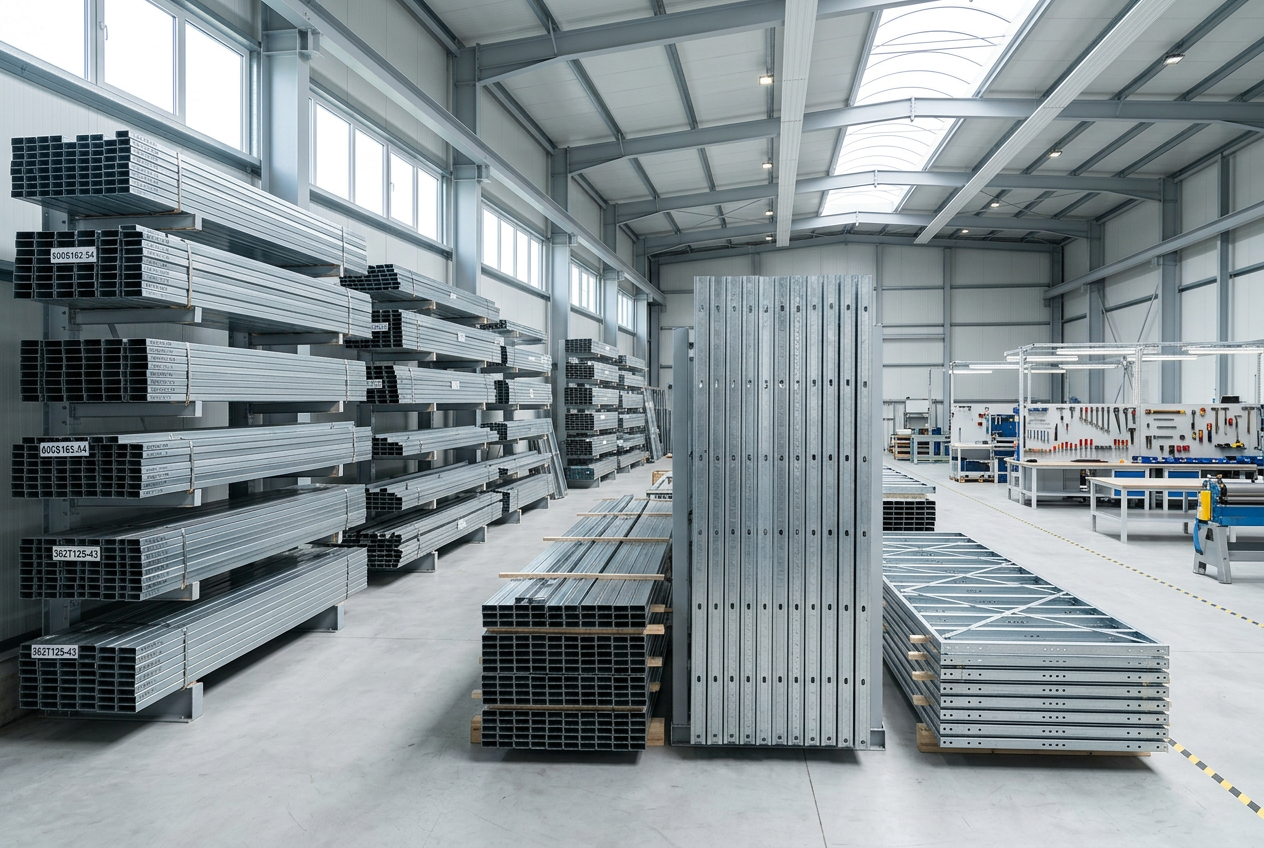
Field productivity depends on more than the installer’s crew size. It depends on whether the framing arrives organized, consistent, and suitable for the specified layout. Accurate component lengths reduce cutting and rework. Consistent profiles improve fit-up. Correctly located service holes can help coordinate mechanical, electrical, and plumbing work without unauthorized field modifications.
This does not mean every project should pursue maximum prefabrication. The right level depends on design maturity, site access, sequencing, tolerance demands, and the ability to protect fabricated components during delivery and staging. A project with stable drawings and repetitive conditions may benefit substantially from fabricated assemblies or highly controlled component packages. A project still undergoing frequent design changes may require a more flexible approach.
The best decision is usually made before buyout, not after framing crews are mobilized. Reviewing framing scope early can identify areas where standard lengths, repeated openings, engineered headers, panelization, or coordinated punch patterns will reduce labor pressure later.
What Commercial Teams Should Confirm
Before selecting a cold-formed steel framing supplier, project teams should look beyond price per stud. The lowest unit cost can disappear quickly when inaccurate material creates layout corrections, excess cuts, rejected work, or schedule disruption.
A useful evaluation should address at least four operational questions:
- Can the supplier produce components that align with the engineered drawings and specified steel properties?
- Are fabrication dimensions and profiles controlled consistently across the order?
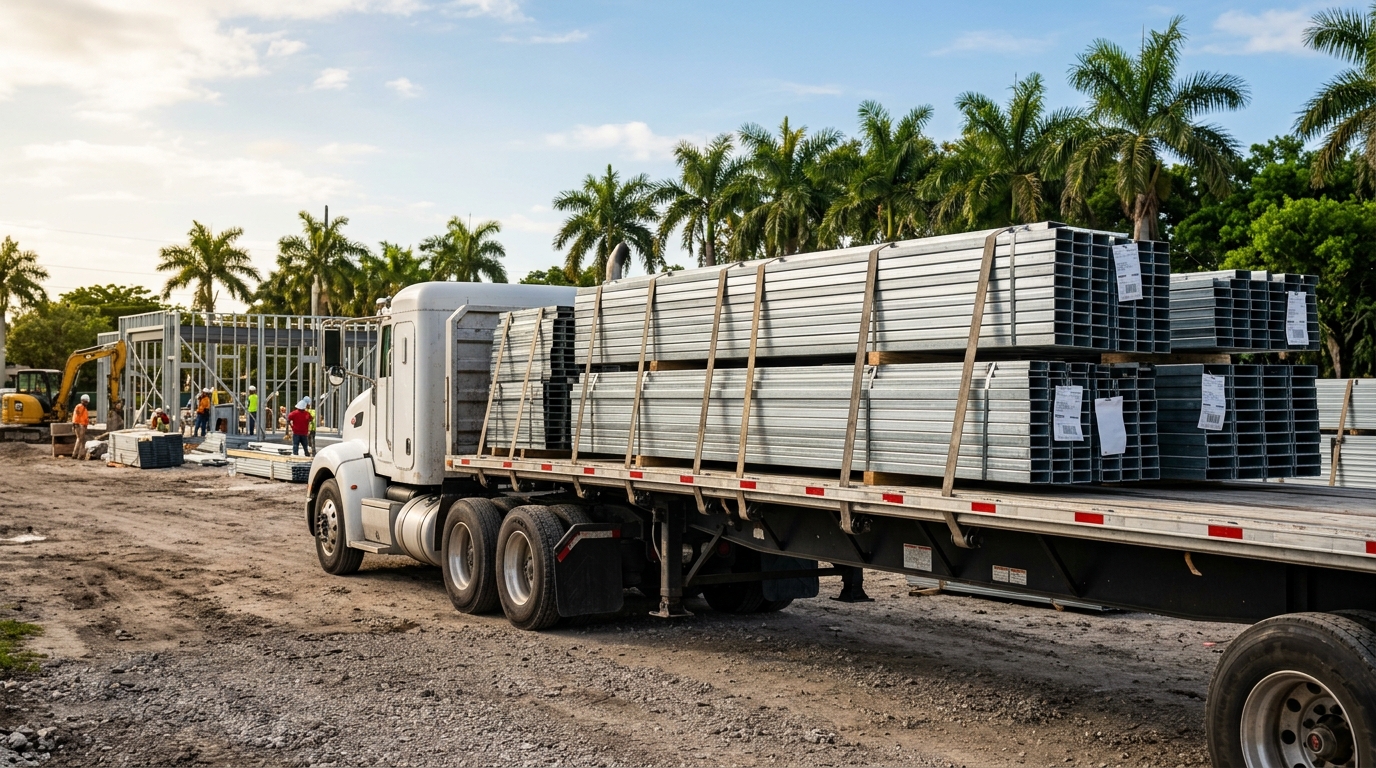
- Can the supplier support the required delivery sequence and project schedule?
- Is there a clear process for resolving discrepancies before they affect installation?
These questions are particularly relevant on Central Florida commercial projects, where schedule compression, weather exposure, labor availability, and coordination across multiple trades can leave little room for framing errors. A dependable supply partner helps the project team maintain momentum instead of introducing another source of field uncertainty.
Coordination Protects the Framing Scope
Cold-formed steel framing often sits at the center of multiple building systems. Doors, frames, glazing, firestopping, insulation, acoustical assemblies, rated walls, MEP penetrations, and exterior cladding all interact with the framing package. Coordination failures in any of these areas can lead to changes that compromise the intended assembly or force late-stage rework.
The framing scope should therefore be reviewed alongside the architectural and structural documents, not in isolation. Teams should verify opening dimensions, wall types, height limitations, support conditions, attachment details, and deflection requirements. They should also identify where field penetrations need approval, especially in structural members and rated assemblies.
Clear responsibility matters. The engineer of record defines structural requirements. The architect defines wall and assembly performance. The framing contractor installs to the approved documents. The fabricator supplies accurate components within the agreed scope. When those responsibilities are coordinated, material quality can translate directly into better field execution.
A Better Standard for Framing Supply
Commercial construction does not benefit from generic material that creates avoidable decisions in the field. It benefits from framing components manufactured with the same discipline expected from the rest of the building process: defined requirements, controlled production, verified consistency, and reliable delivery.
Cold formed steel framing gives builders a practical path to that standard, provided the system is engineered for its application and fabricated with care. Bring the framing supplier into the conversation while layouts, schedules, and procurement strategies can still be influenced. That is where precision has the greatest chance to protect the work that follows.